

Introduction
When it comes to chocolate, packaging isn’t just a finishing touch — it’s an essential part of the product. It affects how the chocolate is perceived, how long it stays fresh, how it travels, and how it aligns with your brand’s values. For chocolate brands, selecting the right material can be a balancing act between quality, cost, sustainability, and aesthetics.
In this article, we’ll break down the three most commonly used materials in chocolate packaging — paper, plastic, and foil — and examine how each performs in terms of protection, branding, recyclability, and consumer appeal.

Section 1: Paper Packaging
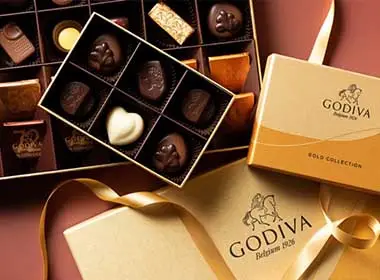
Paper packaging has become increasingly popular as more brands prioritize sustainability and a natural look and feel. But while it offers plenty of environmental and branding advantages, it also comes with some limitations.
Common Types of Paper Used in Chocolate Packaging:
- Coated paperboard: Often used for chocolate boxes, especially when paired with inserts or sleeves.
- Kraft paper: A more rustic, eco-conscious choice for pouches or wraps.
- Laminated paper: Paper bonded with plastic or foil to enhance barrier performance.
Advantages:
- Recyclable and biodegradable: Especially when uncoated or certified by organizations like FSC.
- Customizable: Ideal for printing and embellishments like embossing, foil stamping, and textured finishes.
- Premium tactile experience: Paper feels natural and luxurious in hand, enhancing the unboxing experience.
Challenges:
- Low moisture and grease resistance: Unless treated or laminated, paper alone doesn’t offer strong barrier protection.
- Durability concerns: It may dent or crush easily during transport if not reinforced.
- Needs lining or inserts for direct contact with chocolate.
Best Used For:
- Rigid gift boxes, sleeve wraps, high-end retail packaging, and promotional displays.
Section 2: Plastic Packaging
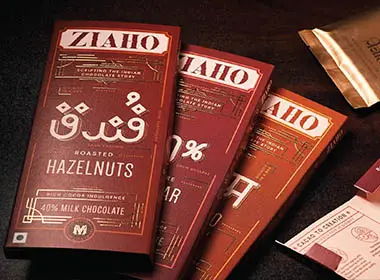
Plastic remains a go-to material in many mass-market chocolate applications due to its durability and versatility. However, it faces growing scrutiny due to environmental concerns.
Common Types of Plastics in Chocolate Packaging:
- PET (Polyethylene Terephthalate): Often used in trays and containers.
- BOPP (Biaxially Oriented Polypropylene): Common in flow wraps and pouches.
- Laminated films: Multilayer plastic films offering strong barrier performance.
Advantages:
- Excellent barrier properties: Protects against oxygen, moisture, and contaminants.
- Lightweight and flexible: Good for transport and high-speed packaging lines.
- Cost-effective: Ideal for high-volume production.
Challenges:
- Environmental impact: Most plastics are not biodegradable, and recycling systems vary by region.
- Lower perceived value: Compared to paper or foil, plastic may feel less premium.
- Design limitations: Branding options are often limited to surface printing.
Best Used For:
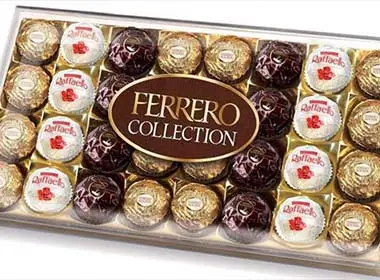
- Flow-wrapped bars, multi-pack trays, or budget-conscious product lines that require extended shelf life.
Comparison Table: Paper vs. Plastic Packaging
| Feature | Paper Packaging | Plastic Packaging |
|---|---|---|
| Barrier Protection | Moderate (requires lining) | High (moisture & oxygen resistant) |
| Recyclability | High (if uncoated) | Limited (depends on plastic type) |
| Branding Potential | High (custom finishes & printing) | Moderate (surface printing only) |
| Perceived Quality | Premium and eco-conscious | Functional but less premium |
| Cost | Medium to High | Low to Medium |
| Best Use Case | Gift boxes, luxury retail packaging | Mass-market, flow wraps, trays |
Section 3: Foil Packaging
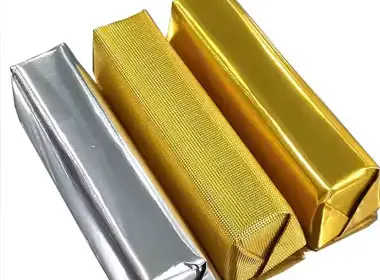
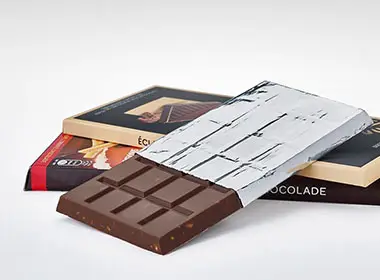
Aluminum foil is one of the oldest materials used in chocolate packaging — and for good reason. Its superior ability to block light, air, and moisture makes it ideal for preserving flavor and extending shelf life. However, it comes with trade-offs in recyclability and cost.
Common Uses of Foil in Chocolate Packaging:
- Inner wrapping for individual truffles or bars.
- Laminated structures combining foil with paper or plastic for added strength and printability.
- Twist wraps for molded chocolates or pralines.
Advantages:
- Outstanding barrier properties: Keeps chocolate safe from oxygen, humidity, and UV light — critical for premium or sensitive products.
- Classic aesthetic: Creates a sense of luxury and nostalgia, often associated with premium chocolate.
- Lightweight: Helps reduce shipping weight while offering strong protection.
Challenges:
- Difficult to recycle: Especially when laminated with other materials (paper or plastic).
- Higher cost: Aluminum is more expensive than paper or plastic.
- Limited design space: Usually used in combination with outer paper for branding.
Best Used For:
- High-end or artisanal chocolates, single-piece wrapping, and export packaging that requires long shelf life.
Section 4: Full Material Comparison Table
| Attribute | Paper | Plastic | Foil |
|---|---|---|---|
| Barrier Performance | Moderate (needs lining) | Excellent | Superior |
| Sustainability | High (if uncoated/FSC) | Low (depends on type/recycling) | Medium (aluminum is recyclable, but often laminated) |
| Cost Efficiency | Moderate | High (cost-effective) | Lower (more expensive) |
| Recyclability | Good (if pure paper) | Limited | Difficult (if combined materials) |
| Visual Appeal | Natural, tactile, customizable | Functional, flexible | Shiny, luxurious |
| Best Fit For | Premium gift boxes, retail | Mass-market bars, pouches | Artisanal, single-serve, long shelf life |
Section 5: Environmental Considerations & Packaging Trends
As consumer expectations shift toward sustainability, chocolate brands are being challenged to rethink their packaging strategies. Several trends are shaping the future:
1. Rise of Paper-Based Alternatives
Brands are increasingly moving toward FSC-certified paper and compostable coatings. SLD Packing, for example, offers chocolate boxes made from responsibly sourced paper, paired with minimalist inserts to reduce material waste.
2. Biodegradable Films
Some manufacturers are adopting plant-based plastic alternatives like PLA or cellulose films, offering similar barrier properties to conventional plastic but with a lower environmental footprint.
3. Hybrid Packaging Solutions
Many brands are combining paper exteriors with inner foil wraps, blending the premium look of paper with the protective benefits of foil, while making recycling easier by keeping the layers separable.
4. Minimalism and Reusability
Simpler, reusable packaging — like slide-out drawer boxes or refillable tins — are also gaining traction, especially among premium chocolate lines targeting eco-conscious buyers.

Conclusion: How to Choose the Right Material
Each packaging material — paper, plastic, and foil — serves a different purpose depending on your product’s needs, brand image, and environmental goals.
- Use paper if your brand emphasizes eco-conscious values and aesthetic presentation.
- Use plastic if cost efficiency and extended shelf life are your top priorities.
- Use foil when premium freshness and protection are critical, especially for luxury or export products.
Ultimately, the best solution may lie in combining materials strategically — for example, foil-lined paper boxes or plastic-free laminated paper — to meet both functional and environmental goals.
By understanding the strengths and limitations of each material, chocolate manufacturers can make more informed decisions that align with their brand identity and market demands.