
1. Introduction
In the world of chocolate packaging, design choices carry real weight. Whether you’re presenting your product on a retail shelf or shipping luxury chocolates in gift boxes, how your packaging looks—and functions—matters. One common decision brands face is whether to include a window in their chocolate boxes. It might seem like a small detail, but it can influence everything from cost and branding to sustainability and consumer behavior.
In this article, we’ll break down the key differences between windowed and non-windowed packaging, their respective advantages, and how to choose the most suitable option based on your brand goals and product type.
2. What Is a Windowed Chocolate Box?
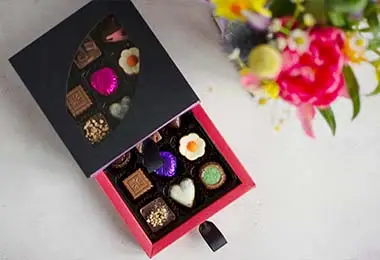
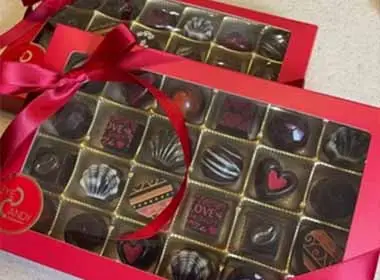
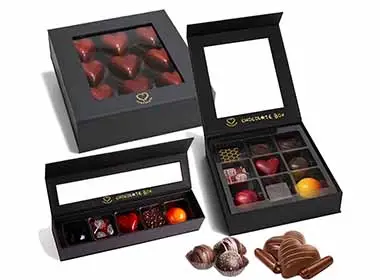
A windowed chocolate box features a clear plastic or biodegradable film insert—often die-cut into custom shapes—that reveals the chocolates inside. This small feature can turn a simple box into an eye-catching showcase. Commonly used in retail packaging, these windows allow customers to preview the contents before purchasing.
Common materials used for windows include:
- PET or PVC films for standard transparency
- PLA or compostable film for eco-conscious options
Window styles vary from full-face views to small peek-through cutouts, and can be incorporated into rigid boxes, folding cartons, or even slide boxes depending on the product.
3. Pros and Cons of Windowed Packaging
| Advantages | Disadvantages |
|---|---|
| Boosts shelf appeal with product visibility | Adds extra steps in production (die-cut, film mounting) |
| Encourages impulse purchases | Slightly higher cost due to window components |
| Great for showcasing visual details | Less protective in some transit conditions |
| Perceived as more “premium” | Reduces branding space on the lid |
💡 When It Works Best:
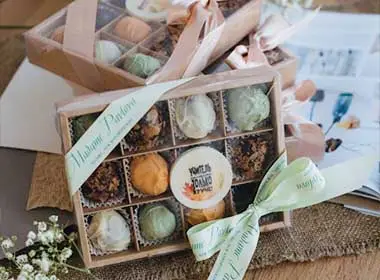
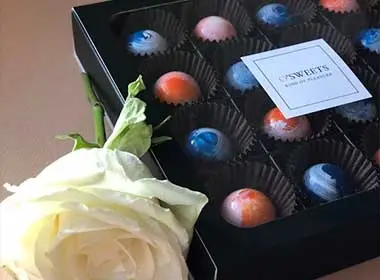
Windowed boxes are ideal for chocolate assortments, visually unique truffles, or limited-edition collections where seeing the product enhances desire.
4. Pros and Cons of Non-Windowed Packaging
| Advantages | Disadvantages |
|---|---|
| Full design freedom for branding | Lacks product visibility unless opened |
| Simplifies logistics and stacking | Relies heavily on visual design and storytelling |
| Often more sustainable (fewer mixed materials) | May be overlooked in retail without strong visuals |
| Can reduce packaging costs | Less engaging at first glance |
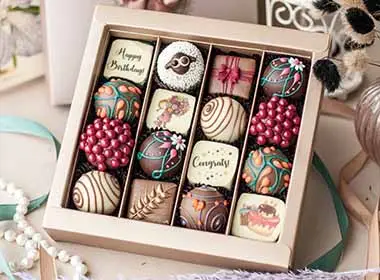
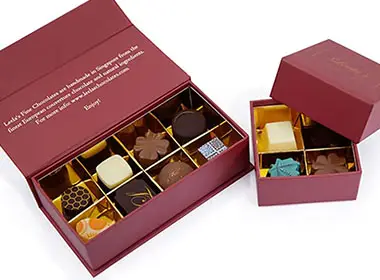
Non-windowed packaging offers a clean canvas for creative design, luxury textures, or storytelling. It can convey elegance, sophistication, or a minimalistic brand tone—especially for high-end or mail-order chocolates.
5. Cost Considerations: Window vs. Non-Window Packaging
In general, chocolate boxes with windows are slightly more expensive than their non-window counterparts—mainly due to the added materials (e.g., plastic or biodegradable film) and additional production steps like die-cutting and gluing.
However, the price difference is usually not dramatic under the same material, size, and finish conditions. The main cost factor lies in the size and complexity of the window design. A small oval cutout adds minimal cost, while a full-panel window with shaped contours and embossed borders may have a more noticeable impact.
| Aspect | Windowed Boxes | Non-Windowed Boxes |
|---|---|---|
| Visual Appeal | High – Customers can see the product | Depends entirely on external design |
| Customization Options | Moderate – Limited print space on lid | High – Full lid available for branding |
| Sustainability | Lower (unless biodegradable film used) | Higher – Easier to make recyclable |
| Cost Difference | Slightly higher – depends on window size | More cost-effective under similar specs |
Key Takeaway:
If your chocolate product has strong visual appeal, a window might justify the slight cost increase. For minimalist or premium branding, non-windowed packaging offers more flexibility in storytelling and finishes.
6. When to Choose Window vs. No Window
Choosing between a windowed or non-windowed chocolate box isn’t just about aesthetics—it should reflect your product positioning, sales channel, and customer experience goals.
Here’s a simple guide to help clarify:
| Scenario | Recommended Option | Why It Works |
|---|---|---|
| Retail shelves (impulse buys) | Windowed | Increases visibility, triggers emotional buying decisions |
| E-commerce or direct shipping | Non-Windowed | Offers better protection and brand storytelling |
| Premium/luxury chocolate collections | Non-Windowed or subtle window | Emphasizes exclusivity, tactile finishes, and mystery |
| Seasonal or themed collections | Windowed | Adds festive appeal and builds excitement |
| Sustainability-focused brand strategy | Non-Windowed or PLA window | Reduces material mix and promotes eco-conscious branding |
🧠 Tip: If you’re not sure which direction to take, consider A/B testing with small production batches or using a hybrid solution like a partial window with foil borders, which can balance branding and visibility.
7. Sustainability Considerations
With growing consumer awareness around packaging waste, your packaging choice can influence not just purchasing decisions—but brand loyalty.
7.1♻️ Non-Windowed Boxes:
- Easier to recycle, especially if made with FSC-certified or single-material paperboard.
- Ideal for brands emphasizing low-waste or compostable packaging strategies.
7.2🌿 Windowed Boxes:
- Often use plastic films (PET, PVC), which complicate recycling unless removed.
- But sustainable alternatives like PLA (plant-based bioplastic) or cellulose film are increasingly available.
- Best when your product’s appearance is part of the selling point, and you’re using eco-friendly window materials.
At SLD Packing, we’ve seen a noticeable rise in requests for biodegradable window films, especially from chocolate brands targeting environmentally conscious markets like Europe and North America. Integrating sustainable materials is no longer a niche—it’s fast becoming the standard.
8. Final Tips for Making the Right Packaging Choice
Here are a few professional takeaways based on experience working with a variety of chocolate brands:
- Think about the unboxing experience. What impression do you want the customer to have at first glance?
- Consider how your product is sold. A window adds value in-store but isn’t necessary for online sales.
- Factor in shelf life and temperature. Some window materials may trap humidity—something to consider for delicate or filled chocolates.
- Use your packaging as a marketing tool. Whether you go with a window or not, make sure the box reflects your brand story, values, and quality.
9. Conclusion
There’s no one-size-fits-all answer when it comes to chocolate packaging. Windowed boxes offer visual appeal and retail impact, while non-windowed options provide more room for design, protection, and sustainability. The best choice depends on your target market, distribution channels, and brand identity.
Instead of asking which is better, ask what works best for your product, your values, and your customers. A small design detail—like whether or not to add a window—can be the difference between blending in and standing out.