
1. Introduction
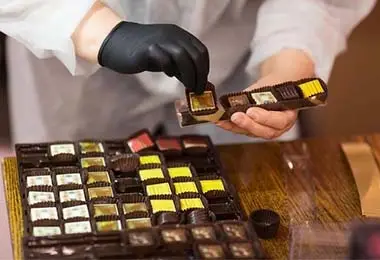
For chocolate brands, packaging isn’t just a container—it’s part of the product experience. While the outer box gets all the visual attention, the inner tray plays an equally crucial role. It ensures that each chocolate stays in place, arrives in perfect condition, and looks great when the customer opens the box. A well-designed tray protects your product during transit, elevates presentation, and can even support your brand’s sustainability goals. Choosing the right one, however, isn’t always straightforward.
2. Functions of Inner Trays
Before diving into materials and types, it’s important to understand what inner trays actually do:
- Protection: They keep delicate chocolates from moving around, cracking, or melting into each other.
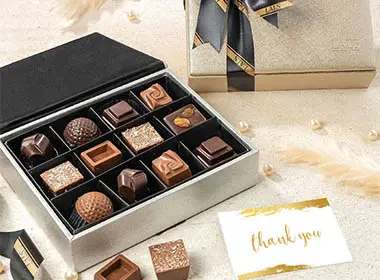
- Presentation: A tray arranges the chocolates neatly, creating a premium and satisfying unboxing experience.
- Portion Control: Especially for gift boxes or assortments, trays ensure that each item is placed consistently, avoiding visual gaps or overcrowding.
If your brand values visual appeal and customer satisfaction—as most successful chocolate companies do—the inner tray deserves just as much thought as the outer packaging.
3. Common Tray Materials Compared
There are several types of inner tray materials available, each with its own advantages. The best choice often depends on your brand positioning, sustainability goals, and budget.
3.1 Plastic Trays (PVC, PET, PS)
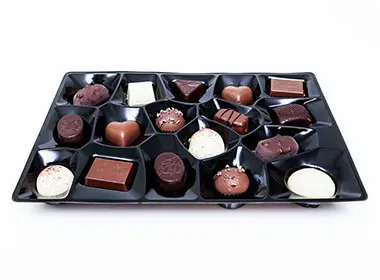
These are widely used due to their flexibility and clarity. Transparent trays allow customers to view the product even before removing it, which adds a luxurious touch. PET, in particular, is recyclable and slightly more eco-conscious than other plastics.

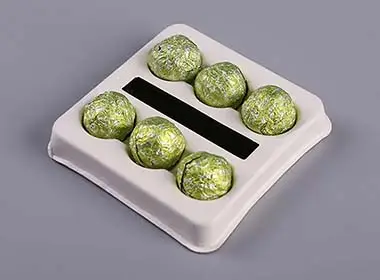
3.2 Paper Pulp Trays
Made from recycled paper or sugarcane pulp, these trays are biodegradable and compostable. They’re gaining popularity among eco-conscious brands and are suitable for rustic, organic, or minimalistic branding.
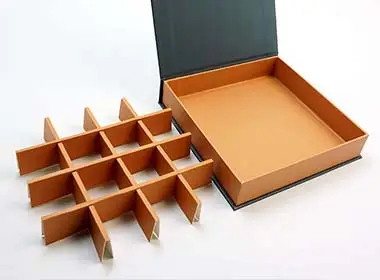
3.3 Cardboard Partitions
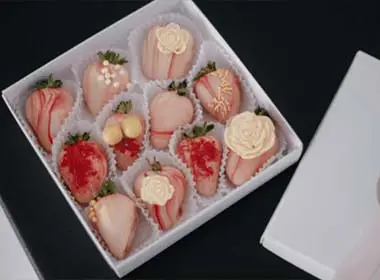
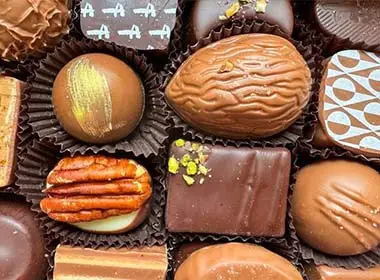
A cost-effective and recyclable option, cardboard inserts divide chocolates with custom-cut slots. They’re ideal for larger chocolates or items that don’t need tight cavities.
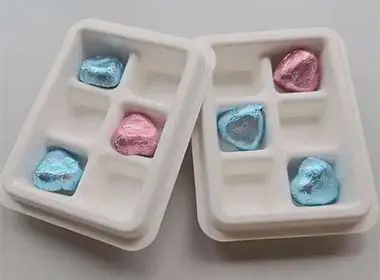
3.4 Compostable Bio Trays
These trays are made from plant-based polymers or bioplastics. While not yet mainstream, they’re an excellent long-term option for brands focused on carbon-neutral goals.
4. How to Choose: Key Decision Factors
Here are the most important factors to consider when selecting an inner tray for your chocolate packaging:
| Factor | What to Consider |
|---|---|
| Product Type | Are the chocolates delicate? Prone to melting or movement? Complex shapes may need custom cavities. |
| Brand Image | Do you want a premium look (clear plastic), a natural vibe (pulp), or minimalism (cardboard)? |
| Budget | Plastic trays offer value in high volumes, while paper-based options may have higher unit costs but lower MOQ. |
| Sustainability | Does your audience care about eco-friendly materials? FSC-certified and compostable options show commitment. |
| Box Design Compatibility | Will the tray fit securely within your rigid box, folding carton, or sliding drawer-style packaging? |
5. Material Comparison Table
Here’s a quick side-by-side comparison to help you choose:
| Material Type | Appearance | Eco-Friendliness | Durability | Cost | Best For |
|---|---|---|---|---|---|
| PET Plastic Tray | Clear, sleek | ♻️ Recyclable | High | $$ | Premium presentation |
| PVC/PS Plastic Tray | Transparent or tinted | ❌ Low | High | $ | Mass-market chocolate packaging |
| Paper Pulp Tray | Matte, natural | ✅ Biodegradable | Medium | $$ | Sustainable or organic branding |
| Cardboard Partition | Neutral, sturdy | ✅ Recyclable | Medium | $ | Budget packaging or handmade lines |
| Compostable Bio Tray | Varies | ✅ Compostable | Medium | $$$ | Eco-luxury packaging |
6. Customization and Branding
One of the most overlooked opportunities in chocolate packaging is customizing the inner tray. While many brands focus heavily on outer box design, a well-designed insert reinforces brand identity and elevates the unboxing moment.
6.1 Custom Molded Cavities
For chocolate assortments with unique shapes or multi-piece layouts, a custom-molded tray ensures a snug fit and adds a tailored feel. This is especially useful for seasonal collections or luxury gift sets.
6.2 Surface Finishes and Colors
Trays can be produced in various finishes—glossy, matte, metallic, or even embossed. Colors like black, gold, or deep red can enhance the premium perception and align with your brand palette.
6.3 Branded Embossing
High-end plastic or pulp trays can include embossed logos or patterns that subtly reflect your brand identity without distracting from the product itself.
6.4 MOQ Considerations
For small or growing chocolate businesses, it’s worth checking the Minimum Order Quantity (MOQ) for custom trays. Paper-based and cardboard inserts typically have lower MOQs, while custom plastic molds may require larger runs.
7. Real-World Tips from Chocolate Packaging Experts
As a manufacturer that has supported both boutique and global chocolate brands, we’ve seen firsthand how tray decisions impact product performance and customer feedback. Here are a few takeaways:
- Avoid overly thin trays. They may reduce cost, but they often warp during shipping or lose form after one use, affecting the customer’s perception.
- Consider climate during delivery. If shipping to warmer regions, opt for trays that help prevent chocolates from touching, which reduces melting risk.
- Balance branding and cost. A beautifully designed tray doesn’t need to be expensive—many brands achieve premium results with simple die-cut cardboard and thoughtful layout.
- Test before scaling. Always prototype your inner tray with the actual product and outer box before mass production. A few millimeters can make a big difference.
8. Conclusion: Final Checklist Before Choosing Your Tray
Here’s a quick checklist to help you narrow down your options:
✅ Is the tray material compatible with your product’s shape and size?
✅ Does it align with your brand’s sustainability and aesthetic goals?
✅ Can it protect the chocolates during shipping and handling?
✅ Is it within your production budget and MOQ limits?
✅ Have you tested a prototype before finalizing the design?
Choosing the right inner tray is a smart investment in product protection and customer satisfaction. With so many customizable options available—from eco-friendly pulp to luxurious PET molds—it’s possible to strike the perfect balance between function, aesthetics, and sustainability.
If you’re planning your next chocolate box and need guidance on materials, prototyping, or customization, working with an experienced packaging manufacturer ensures the tray works seamlessly with your entire packaging system. You can also explore our custom chocolate box inserts for more ideas and inspiration on tailored solutions that fit your brand.