
Introduction
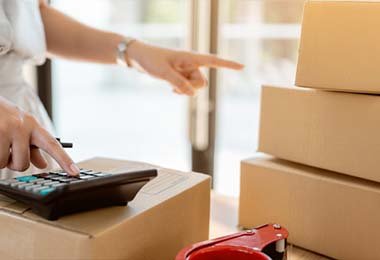
In 2025, custom chocolate packaging continues to play a key role in shaping consumer perception and brand identity. But with rising material, labor, and logistics costs, many chocolate brands—especially small and mid-sized businesses—are seeking smarter ways to manage packaging budgets.
The good news? Saving money doesn’t always mean cutting corners.
By rethinking box types, choosing the right manufacturing partners, and making strategic decisions on customization, brands can significantly reduce packaging expenses without compromising product quality or appeal.
Let’s explore some of the most practical and effective ways to bring down costs while still presenting your chocolates in a way that feels premium.
1. Choose the Right Type of Chocolate Box
Packaging costs start with product selection. The structure, material, and customization level of your box have a major impact on your final price.
1.1 Folding Boxes vs. Rigid Gift Boxes
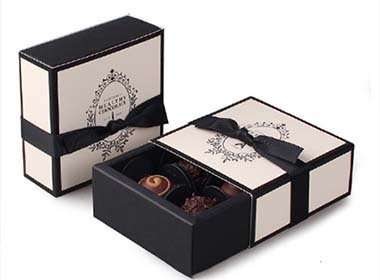
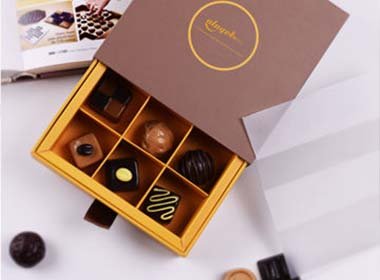
Rigid boxes (also known as gift boxes) are popular for luxury appeal but often come with higher costs due to their thicker materials, hand assembly, and bulky shipping volume. Folding carton boxes, on the other hand, offer a more economical option for brands that want to maintain a neat presentation without excessive costs.
| Comparison | Folding Carton Box | Rigid Gift Box |
|---|---|---|
| Material Cost | Lower (thinner paperboard) | Higher (thicker cardboard + lining) |
| Assembly | Machine-made, fast | Often hand-assembled, slower |
| Shipping Volume | Flat-packed, saves space | Bulky, takes more space |
| Branding Appearance | Still customizable with print | High-end look with rigid structure |
| Cost per Unit (Est.) | ~$0.30–$0.60 (bulk) | ~$0.80–$1.50+ (bulk) |
✅ When to choose folding boxes:
Ideal for seasonal promotions, e-commerce, or when balancing budget with visual appeal.
✅ When to choose rigid boxes:
Great for luxury collections or high-end gift sets where presentation is critical.
1.2 Semi-Custom Packaging: Generic Boxes + Branded Stickers
A smart way to reduce printing and tooling costs is by using blank or pre-made chocolate boxes and applying branded stickers for customization. This allows brands to place smaller orders and respond quickly to seasonal or limited-edition product changes.
Benefits:
- No need for new printing plates or molds
- Stickers can be updated easily for different SKUs
- Flexibility for startups or small batch runs
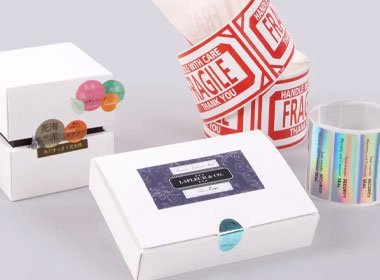
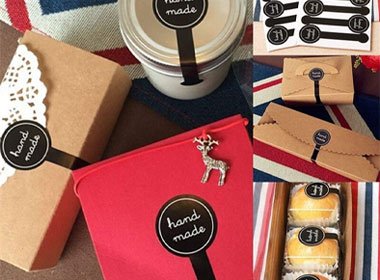
💡 Example: A small artisan chocolatier rotates packaging designs every month using generic matte black folding boxes paired with limited-edition sticker labels. Their packaging cost dropped by 40% without affecting customer perception.
2. Work with Highly Automated Manufacturers
2.1 Why Automation Reduces Packaging Costs
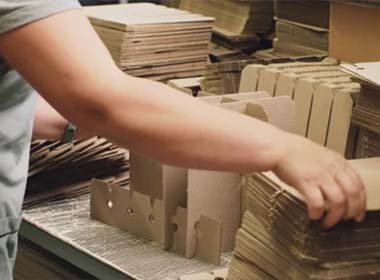
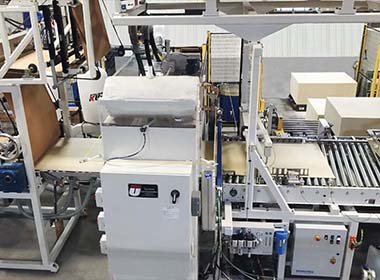
Working with a packaging supplier that invests in automation can significantly cut costs, especially for mid- to large-size orders. Automation means faster production, consistent quality, and lower labor dependency.
At SLD Packing, for example, the use of Heidelberg offset printing machines, automatic die-cutting equipment, and automated gluing and laminating lines helps ensure both quality and cost-efficiency.
| Factor | Manual Production | Automated Production |
|---|---|---|
| Speed | Slower, labor-dependent | Faster, machine-driven |
| Labor Costs | Higher | Lower per unit |
| Unit Price Consistency | Variable | Stable and predictable |
| Defect Rate | Higher (human error) | Lower (consistent output) |
| Ideal Order Size | Small to medium | Medium to large |
2.2 What to Look for in a Packaging Supplier
- Automated machinery (printing, cutting, gluing, forming)
- Experience with chocolate packaging formats
- FSC certification and eco-material options
- Proven record of international supply chain service
3. Leverage Economies of Scale
One of the most overlooked ways to save money on custom chocolate boxes is by adjusting your order volume. Whether it’s production or shipping, the principle is simple: the more you order, the lower the cost per unit.
3.1 Understand Fixed vs. Variable Costs
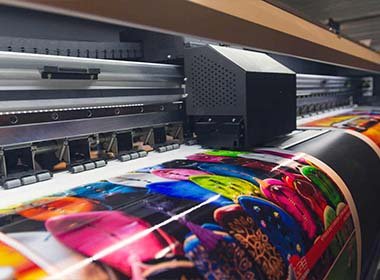
In custom chocolate packaging, one of the biggest hidden cost drivers is the printing setup fee, often referred to as the color calibration and press setup cost.
This fixed cost includes:
- Ink mixing and Pantone color matching
- Machine warm-up and alignment
- Test runs for color accuracy and registration
- Labor time for technicians to adjust the plates and rollers
Regardless of your order size—whether it’s 300 or 3,000 boxes—this setup process takes the same amount of time, resources, and skilled labor. As a result, it creates a fixed cost that is most expensive when spread over smaller quantities.
📌 For example, a typical offset printing machine may require:
- 1 to 2 hours of setup time
- $100–$300 worth of ink and waste paper during adjustment
- 1 technician and 1 operator to complete test runs
So while your material and labor cost per box may only vary slightly, your setup cost per unit can drop by over 80% as you scale your order.
📊 Illustration: How Setup Cost Affects Unit Pricing
| Order Volume | Total Setup Cost | Setup Cost per Box | Comment |
|---|---|---|---|
| 500 pcs | $200 | $0.40 | High cost per box |
| 2,000 pcs | $200 | $0.10 | Efficient balance |
| 5,000 pcs | $200 | $0.04 | Maximum cost efficiency |
✅ Packaging Insight:
Offset printing is ideal for medium to large batch production because of its high-quality output and ability to handle complex color effects. But to make it cost-effective, aim for a higher MOQ (minimum order quantity) whenever possible to spread out these setup costs.
If your brand has seasonal SKUs or multiple product lines, consider grouping similar designs into a single production run using shared color plates or multi-up imposition, which can further optimize cost.
3.2 Optimize for Shipping Costs
Packaging volume directly impacts logistics expenses. When you place larger orders, manufacturers can optimize pallet configuration and shipping container space, significantly reducing per-unit freight costs. In many cases, shipping costs per box can decrease by 20%–40% when moving from small to medium or large batch orders.
This is especially true for international shipments, where consolidating packaging into fewer, larger batches helps avoid multiple customs declarations, handling fees, and partial load charges.
📌 Tip: If your brand has limited warehousing capacity, discuss with your supplier about split shipping or batch delivery services. Many manufacturers offer staged delivery while producing the full order at once, allowing you to lock in better pricing without overloading your inventory.
4. Bonus Tips to Cut Costs Without Sacrificing Quality
Sometimes, small tweaks in packaging design can lead to big savings. Here are a few expert-recommended ways to trim costs while maintaining brand standards:
4.1 Use Standard Box Sizes and Dies
Creating a new custom box size usually requires a custom cutting die. However, using standardized box templates already available at your manufacturer can eliminate tooling costs and speed up production.
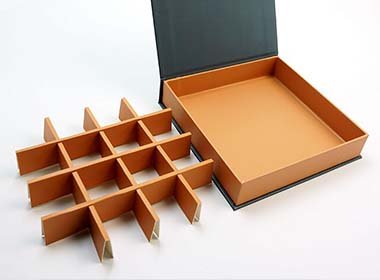
4.2 Simplify Inner Structure
Internal packaging (trays, inserts, dividers) adds material and labor costs. Consider:
- Replacing rigid inserts with folded paper dividers
- Removing unnecessary trays for tightly wrapped chocolates
- Using eco-fillers that are cost-neutral and recyclable
4.3 Explore Cost-Neutral Eco Materials
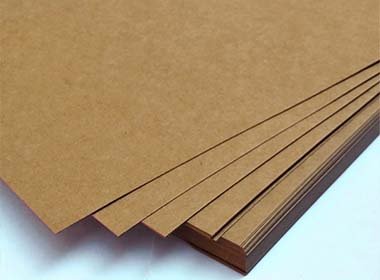
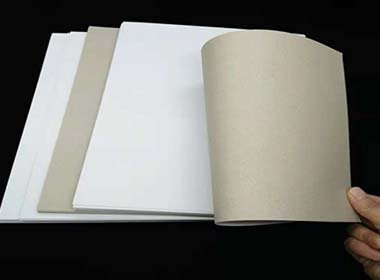
With rising awareness of sustainability, eco-packaging can serve a dual purpose: improve brand image and reduce costs. Materials like kraft paper, recyclable whiteboard, and FSC-certified corrugated board are often more economical than heavily coated alternatives.
💡 Bonus: Eco-friendly packaging can also qualify for government incentives or appeal to B2B buyers focused on green procurement.

Conclusion
Reducing the cost of custom chocolate boxes in 2025 isn’t about going cheap—it’s about getting smart. By choosing practical formats like folding boxes, embracing semi-custom strategies, working with automated manufacturers, and ordering in optimized quantities, chocolate brands can deliver both beauty and efficiency in their packaging.
Ultimately, thoughtful packaging decisions support not just your bottom line, but your brand’s story and customer experience.