
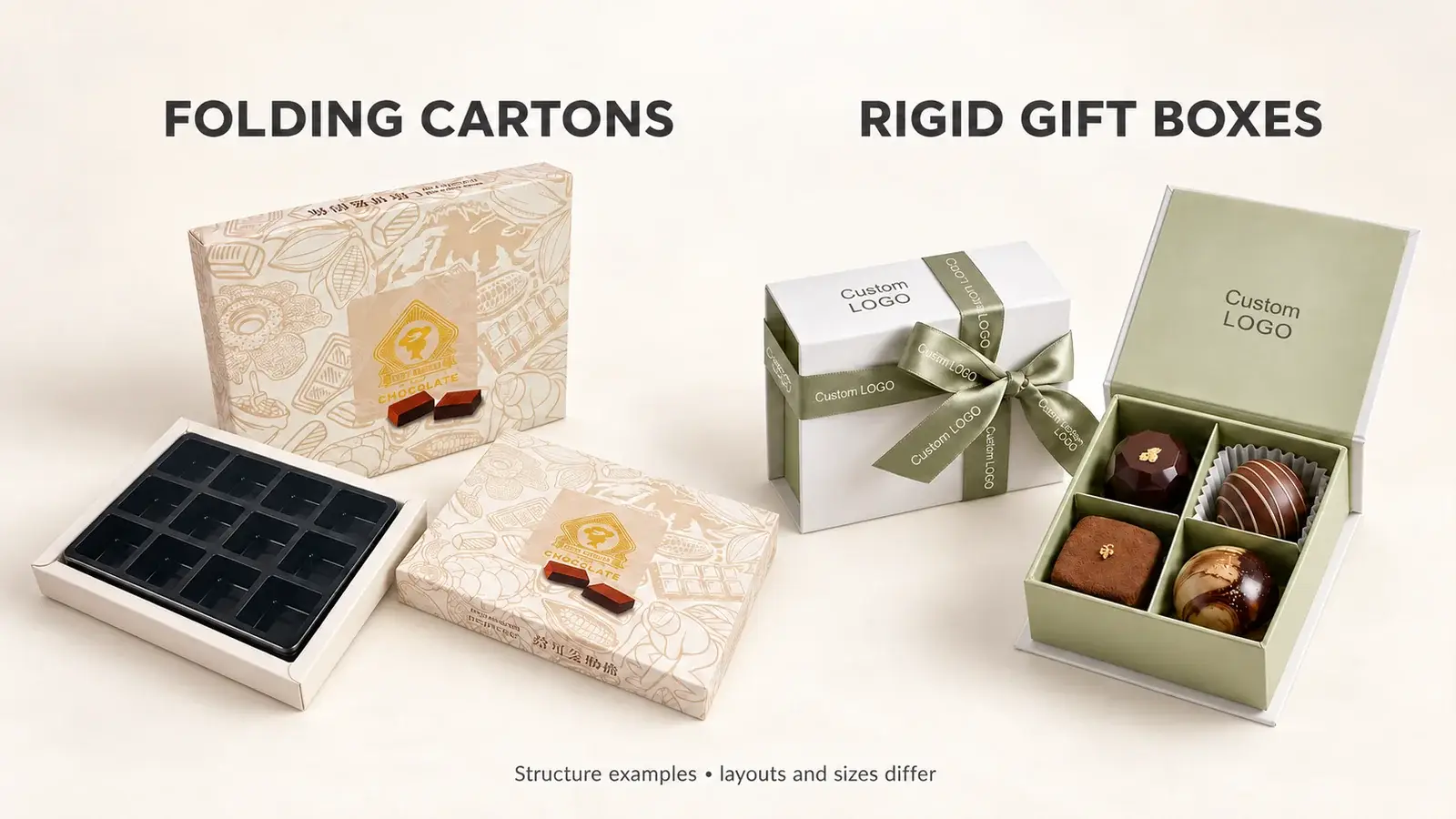
Choose a folding carton when compact empty-box storage and a lighter structure matter, provided your team can assemble it consistently within the available packing time. Choose a rigid chocolate box when a firm, formed presentation and the opening experience justify its price and storage space. Neither choice removes the need for a suitable insert or a separate delivery plan.
The useful comparison is the same chocolate assortment, prepared for the same sales channel. A flat-packed carton may have a lower purchase and inbound freight cost, yet require more work before filling. A preformed rigid gift box may take more space on arrival, yet avoid erecting the outer box at the packing bench. Compare the complete job before choosing.
First, separate the box structure from its opening style
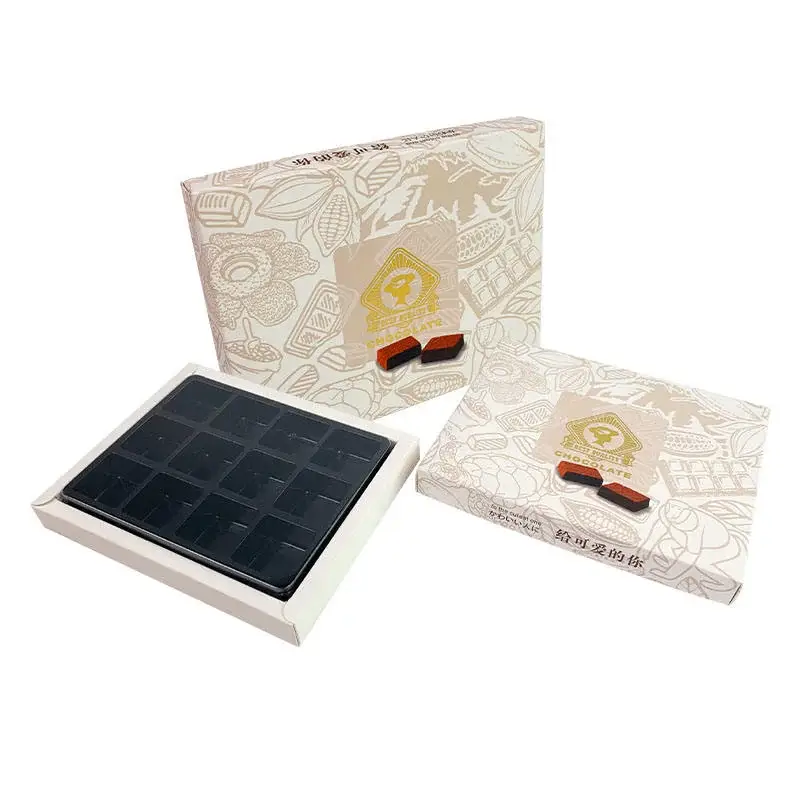
A folding carton is made from paperboard that is cut and creased so panels and tabs can be folded into shape. Depending on its construction, it may arrive as a flat blank or a pre-glued, flattened carton. Some need several manual folding and locking steps; others are designed for a faster erection process.
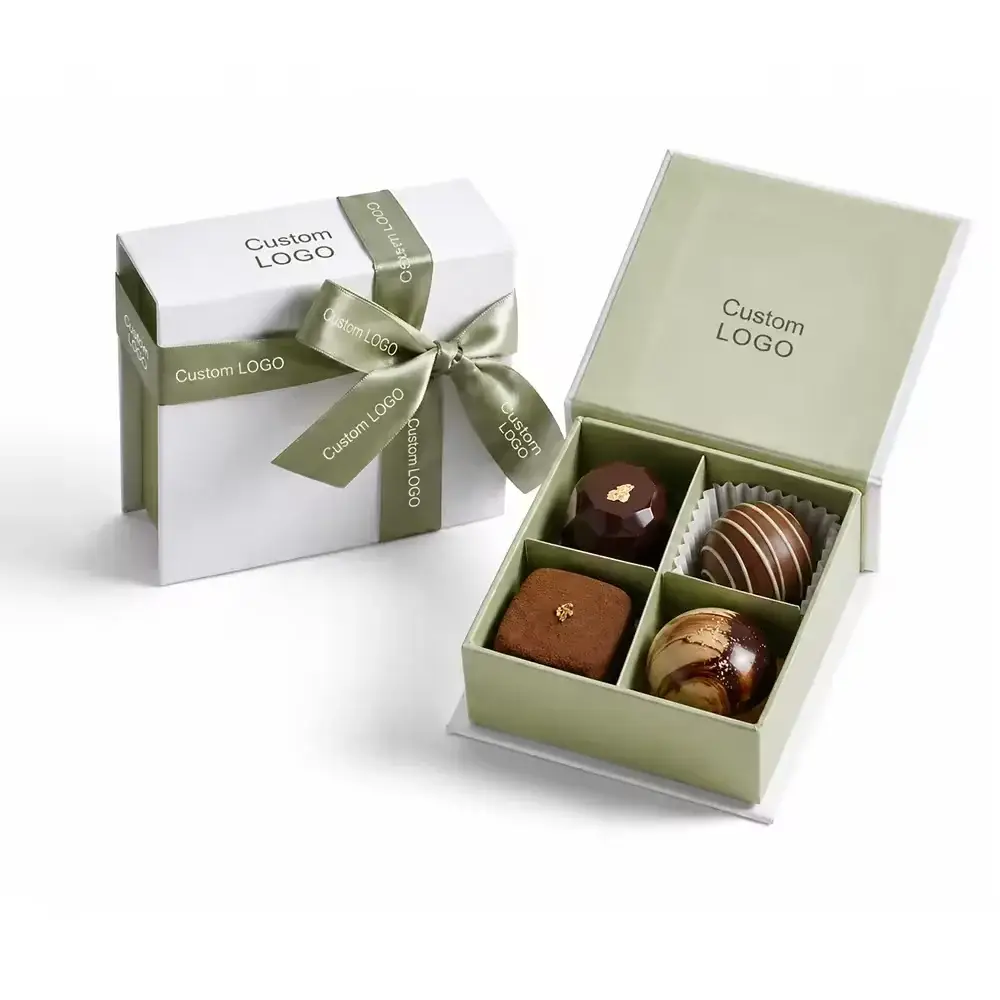
A rigid box uses a thicker structural board core, usually covered with a printed or decorative paper wrap. The conventional preformed rigid boxes compared here retain their shape during delivery and storage.
Magnetic chocolate gift boxes belong on the rigid-box side of this comparison. A magnetic lid closure is not a folding-carton construction. A specialist collapsible rigid box, if specified, is a separate construction to assess; it should not be priced or described as an ordinary folding paperboard carton.
Lid-and-base and drawer describe how a box opens. Both can be made using different constructions, so a photograph of a sliding tray or removable lid does not establish whether the box is a folding carton or a rigid box. Ask for the board specification, assembled sample and delivery form. SLD Packaging’s chocolate folding boxes and chocolate gift boxes provide examples of the two product groups.
Compare the same assortment before comparing prices
Start with the chocolates after their individual wrapping, cups or other agreed contact layers are in place. Record the largest piece dimensions, the number of pieces, the layout and the clearance needed above the tallest decoration. Keep those requirements consistent in both proposals.
For example, a brand could compare two structures for the same 12-piece bonbon assortment. This is a planning example, not a tested SLD project. Both proposals must accommodate the same pieces and removal method; their inserts and external box dimensions may differ. Equal piece count alone does not make two quotes equivalent.
| Buying question | Folding carton | Preformed rigid gift box |
|---|---|---|
| How does the empty box arrive? | Often flat or flattened; confirm whether supplied pre-glued and which assembly steps remain. | Usually already formed; confirm nesting, protective wrapping and master-carton packing. |
| What happens before filling? | Erect panels, lock or close the structure, and fit the insert as specified. Skill and repeatability matter. | Fit any separate insert, liner or accessories; check that the lid or drawer works correctly. |
| What feel are you buying? | A lighter paperboard structure; performance depends on the board, folds, geometry and insert. | A firm board core and formed presentation; construction and fit still need checking. |
| What changes the storage calculation? | Empty cartons can occupy less space; separate trays and assembled buffer stock still take space. | Empty formed boxes occupy volume; use the supplier’s actual packed dimensions. |
| What determines protection? | The complete combination of box, insert, product fit and transport packaging. | The same combination; a rigid outer box alone does not stop pieces moving inside. |
| What should the cost include? | Box, insert, inbound packing and freight, local assembly, checks and rework. | Box, insert, inbound packing and freight, remaining preparation, checks and rework. |
Ask suppliers to quote the same quantity per design, comparable printing and finishes, the same delivery location and the same delivery terms. Keep one-time tooling or setup charges visible rather than hiding them inside an apparently cheaper unit price.
Include hand-folding skill and time in the calculation
A carton that ships flat still has to become a usable box. Folding corners in sequence, seating locking tabs, keeping edges square and fitting an insert take practice. A wrong fold can leave a raised corner, a loose wall or a lid that does not close neatly. Repeated handling can also mark a printed surface.
This matters when your packing team changes frequently, seasonal helpers join at short notice, or production has only a narrow packing window. A complicated hand-folded structure may be perfectly suitable for a trained team and troublesome for an unprepared one.
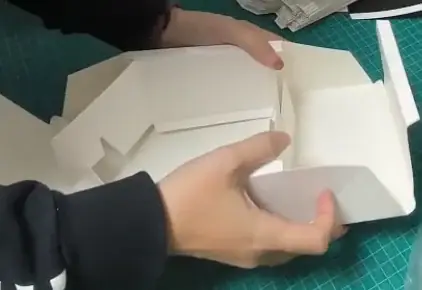
Test the actual proposed structure with the people who will use it:
- Ask for the assembly sequence and a physical sample. Identify which joints arrive glued and which folds, locks or adhesive steps remain for your team.
- Let the packer learn the sequence before recording normal working time. Record training separately and include its cost in the launch budget.
- Time a repeat batch from the supplied delivery form to a box ready for chocolate loading, including insert assembly and fitting. Record the batch size and number of people involved.
- Check squareness, corner locks, surface marks, insert seating and lid fit. Count acceptable finished sets, including the time spent correcting rejected ones.
- Repeat the normal filling and closing process with the intended chocolates. Check whether a change in box structure adds handling or slows the final closure.
Use these calculations with your own observations:
- Preparation labor per acceptable set = total preparation labor cost ÷ acceptable prepared sets. For each person, multiply their hours, including correction work, by the applicable hourly rate; then add those costs together.
- Total packaging cost per sellable set = (all packaging materials consumed + setup costs + inbound freight and storage + all preparation and packing labor) ÷ sellable sets. Include discarded materials in consumption and correction time in labor, so each cost is counted once. Allocate launch costs over the planned production quantity.
Use the same boundary for both options, from purchasing empty packaging through a filled, closed retail pack. Add outbound transport packaging and delivery separately when comparing the complete shipped order. There is no reliable universal assembly time or percentage saving for every folding chocolate box.
Let the sales channel change the recommendation
Everyday retail and repeat replenishment
A folding carton is a sensible starting point when shelves need frequent replenishment, empty packaging storage is limited and the team has a repeatable assembly routine. Check the packed box on the actual shelf: the base should sit square, closures should stay seated during normal handling, and the customer should be able to remove the chocolates without collapsing a divider.
A rigid box can still suit an everyday premium assortment if customers value the formed presentation and your operation can accommodate the cost and volume. Choose it for a defined product position, rather than assuming that every chocolate range needs a heavy gift box.
Corporate gifts and occasion-led collections
A preformed rigid box is a strong candidate when the opening action, firm edges and presentation of the assortment are part of the purchase. A magnetic lid, a lift-off lid or a drawer can each serve that purpose, but they involve different movements and fitting requirements.
Folding cartons can also make attractive gifts. If you choose one, check that the trained assembly process, insert fit and finished edges support the intended presentation. Printing and foil alone cannot correct a poorly erected box.
Direct-to-consumer deliveries
Separate the empty-box journey from the finished-order journey. Flat-packed cartons can reduce the space needed before assembly, but a filled carton is no longer flat. Outbound parcel size depends on the filled retail box, protective outer packaging and any temperature-management components required for the route.
A rigid gift box also needs a suitable shipping system. Specify how it will be held within the corrugated outer packaging, then evaluate the complete packed order under the intended delivery conditions. Neither ordinary folding paperboard nor a rigid gift box is an insulation system or a guarantee against chocolate melting.
Keep insert fit and product contact in both proposals
Do not let a more substantial outer box distract from the space around each chocolate. The insert must accommodate the finished piece shape, keep neighboring pieces separated as required, support loading and allow removal. Check clearance above decorations and whether the closed lid or drawer interferes with the contents.
Keep the intended product-contact arrangement consistent when comparing the two structures. If one proposal adds a liner, cup or tray, include that component and its assembly in the specification and cost. Review suitability for the intended contact conditions using the actual material and component documentation; the appearance of the outer box does not establish it.
The guide to choosing an inner tray can help you prepare those layout questions. Final fit should be checked with representative chocolates and the proposed sample components.
Request two samples with one comparison brief
Send the same brief for both options. Unknown details can be marked “Need advice” so the supplier can help narrow the construction.
- Product: chocolate type, finished piece dimensions in millimeters, tallest decoration, wrapping or cup details, piece count and intended layout.
- Packing operation: who assembles and fills the boxes, available space, required output and whether boxes must arrive ready formed.
- Channel: retail counter, corporate gift or delivery; destination country and intended delivery conditions where relevant.
- Appearance: artwork, paper or wrap preference, print areas and essential finishes; identify optional upgrades separately.
- Order: quantity per size and artwork version, target arrival date and required delivery terms.
- Sample review: assembly sequence, insert fit, product removal, lid or drawer movement, finished appearance and actual packed shipping dimensions.
Choose the folding carton if its compact supply form, finished performance and measured packing workload fit your operation. Choose the rigid gift box if its formed structure and presentation justify the complete cost for your channel. If assembly is the obstacle, ask whether a simpler folding construction or a different supply arrangement can solve it before abandoning the format.
Send SLD Packaging your assortment and channel requirements to discuss a folding-carton proposal and a rigid-gift-box proposal against the same brief. Include photos or dimensions of the finished chocolates, the piece count, quantity, destination and target arrival date so the comparison starts with usable information.