
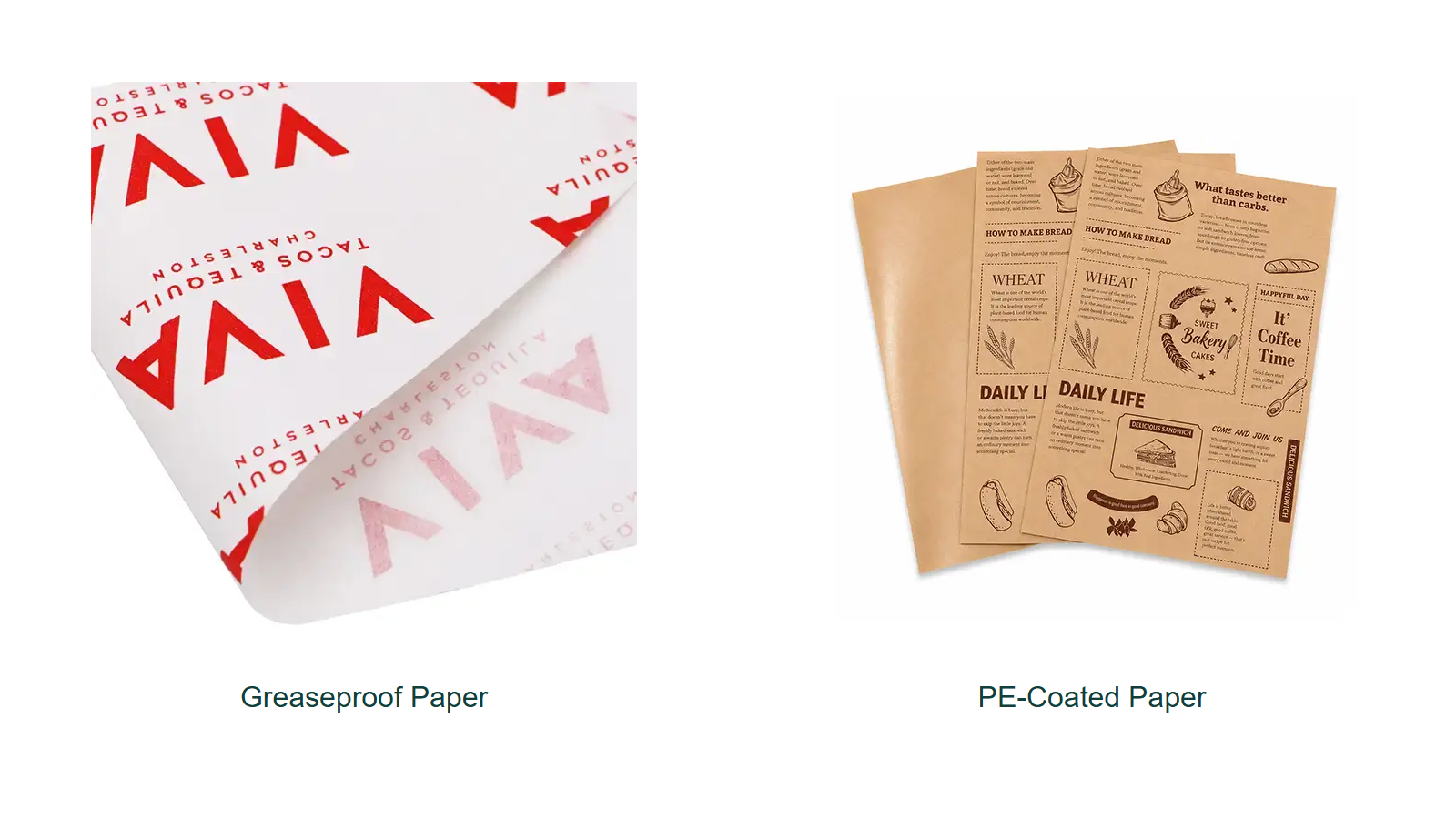
For a folded chocolate wrap, a loose box liner or a separating sheet, a suitable greaseproof paper is a useful starting candidate when the main requirement is resistance to grease penetration. Consider a specified PE-coated paper when the brief also calls for a moisture barrier or a sealing surface. Confirm the actual grade, coated side and packing process before choosing: neither material name guarantees a finished pack's performance.
The first decision is what the paper must do. A sheet tucked into a gift box, a wrapper folded around a bar and a sealed inner pack have different jobs. Compare those jobs before comparing paper weight, color or price.
Start with the wrapping or lining action
Write down whether the paper will touch unwrapped chocolate, a wrapper, a cup or an insert. Then show how it will be placed, folded and removed. If a seal is required, identify the mating surfaces and the proposed closing method.
| Packing action | A useful starting point | What must be confirmed? |
|---|---|---|
| Loose sheet lining the bottom or sides of a gift box | A greaseproof grade suited to the intended contact and grease exposure. | Size, flexibility, folds, grease performance and which face contacts the contents. |
| Sheet separating pieces or covering an assortment | A suitable separating paper; specify any cushioning need separately. | Contact, removal, surface marking and whether another component positions the pieces. |
| Folded wrap around a chocolate bar or piece | Compare the proposed greaseproof and coated grades in the actual folding sequence. | Fold retention, stiffness, overlap, print position and the required barrier function. |
| Liner with a defined moisture-barrier requirement | Ask for data for the proposed construction, including a PE-coated option where appropriate. | Which moisture property is required, test conditions and the effects of folds and open edges. |
| Inner pack that needs sealing | A material and closure system designed for the specified sealing process. | Coating or sealant type, the surfaces joined, equipment settings and a filled-pack trial. |
An open liner is not a sealed enclosure. Even when the sheet has a useful barrier, exposed edges and unsealed overlaps remain part of the packaging design. If you are lining a chocolate gift box, assess the complete arrangement rather than treating the liner as a replacement for every other protective layer.
Greaseproof and PE-coated describe different aspects of the sheet
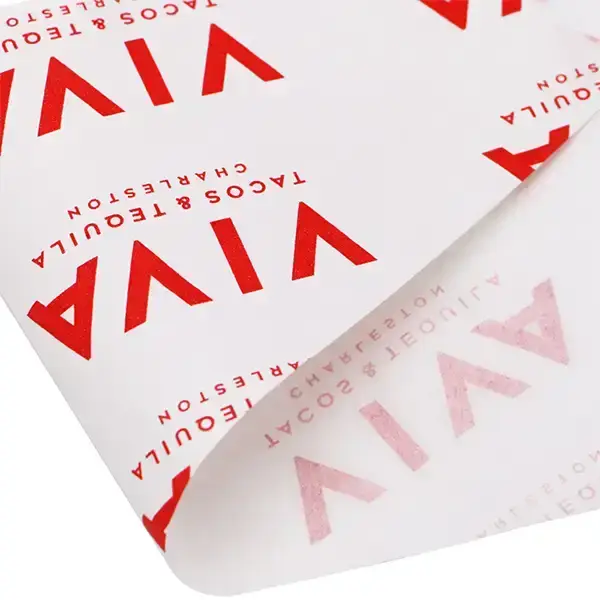
Greaseproof paper is specified for resistance to grease penetration. Some grades obtain that resistance through the paper structure; treatments or coatings can also be relevant to the supplied product. Ask for the actual construction instead of assuming the name means uncoated, plastic-free or free of a particular chemical treatment.
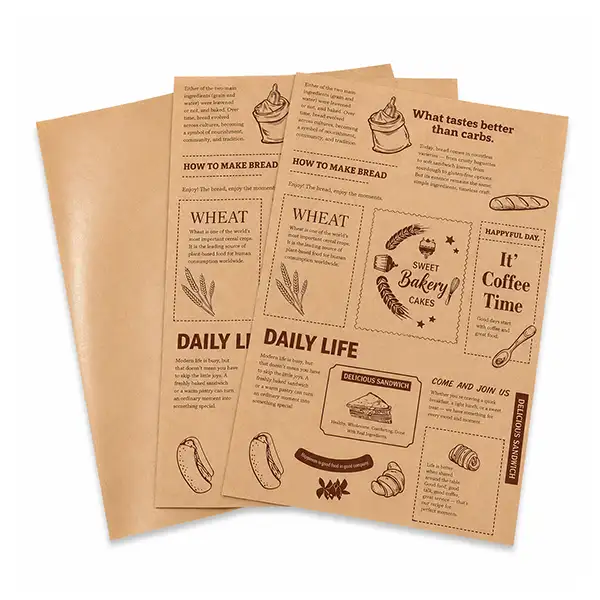
PE-coated paper combines a paper substrate with a polyethylene coating. The paper and polymer layer have separate specifications: identify the base-paper grade and grammage, the PE type, the coating weight and whether one or both faces are coated. Grammage is mass per unit area, usually stated in g/m²; it is not the same measurement as thickness.
SLD Packaging's chocolate wrapping and lining paper options include greaseproof and PE-coated paper. Use those categories to start a discussion, then request a specification for the grade proposed for your packing job.
Specify grease and moisture requirements separately
Grease resistance concerns how the material resists penetration by fats and oils under stated conditions. It does not establish an equivalent water-vapor barrier, oxygen barrier or resistance to liquid water.
A PE layer can contribute moisture and grease barrier properties, but the result depends on the construction and the finished pack. Ask what has been measured for the exact grade, and at what temperature, humidity, duration and sample condition. If water-vapor transmission is important, request the reported value, method, units and test conditions; do not replace that information with a simple “waterproof” description.
The product matters too. Describe the chocolate, any filling or decoration, whether it is already wrapped, the expected contact time and the intended storage and distribution conditions. A paper acceptable for a short handling step is not automatically established for a longer direct-contact use.
Use a consistent comparison when reviewing samples: the same chocolate or agreed test medium, contact area, orientation, duration and environment. Record the exact material and which face was exposed. A quick grease-spot observation may help screen a candidate, but it is not a shelf-life study, a migration assessment or proof of the whole pack's barrier performance.
Mark the print face, contact face and coated face
Do not specify only “logo outside.” Label the faces on a sample or drawing and explain what happens after folding. An overlap can bring a printed surface against another sheet face, and the stacking or winding arrangement matters before packing begins.
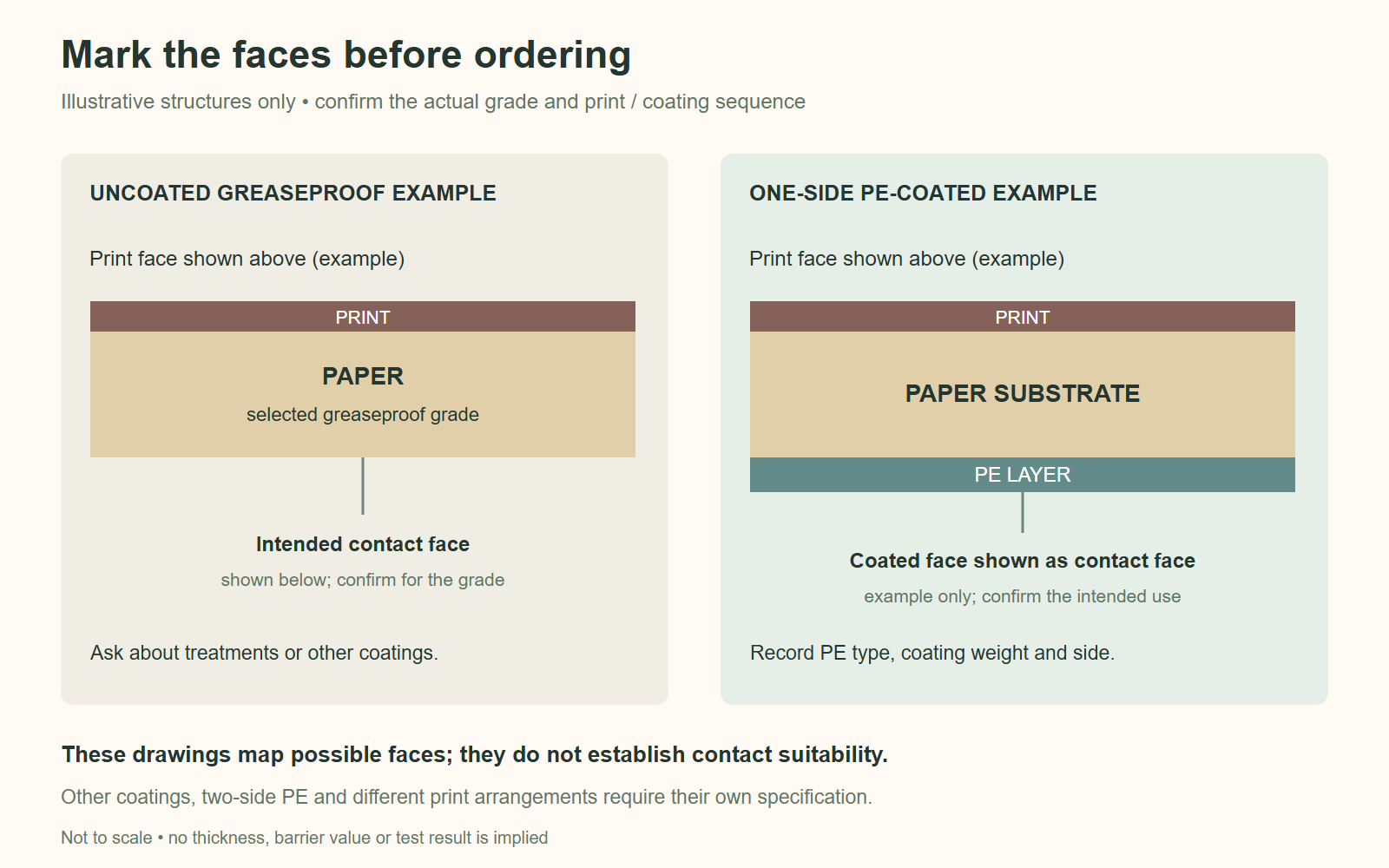
For a one-side PE-coated proposal, identify whether the intended contact surface is the PE or the paper face. For greaseproof paper, identify any treatment or coating and the intended contact face as well. Do not infer those details from a shiny surface, brown color or the way a sample feels.
Confirm the printing process and its position relative to any coating. The supplier should review the paper, coating, inks and any adhesives for the proposed use. An unprinted contact face does not, by itself, resolve possible transfer from the reverse side or from sheets stored in contact. Transfer between stacked or wound surfaces is often called set-off.
For EU-bound projects, the European Commission's food-contact legislation overview is a useful starting reference for the applicable framework and material-specific requirements. Ask for the documentation appropriate to the actual construction, destination and intended use, rather than relying on a generic “food-grade” label or a report for a different paper.
If you need a seal, specify the sealing system
A folded sheet held by its shape is different from an adhesively closed wrap or a heat-sealed pack. A PE coating may serve as a heat-sealing layer in a suitable construction, but “PE-coated” alone does not give a usable sealing window or guarantee compatibility with your machine.
Tell the supplier which faces meet: coated-to-coated, coated-to-paper or another arrangement. Request the proposed grade's processing guidance and trial it on the intended equipment. For heat sealing, record jaw temperature, pressure and dwell time—the time the sealing jaws remain engaged—and distinguish those settings from the temperature experienced by the chocolate.
Check whether print crosses the seal area, whether contamination or a fold interferes with closure, and whether the pack can be opened as intended. If your process uses an adhesive or a separate sealant coating, specify that system instead of assuming the PE layer performs every closing function.
Approve the actual material and filled-pack process together. A flat piece of coated paper cannot show how a formed seam behaves, and a supplier's processing guide is a trial starting point, not a universal machine setting.
Request a specification and sample set you can compare
Send one packing brief for both candidates. Keep the sheet dimensions, artwork, quantity and intended use aligned, while allowing the supplier to propose a suitable construction for each. Unknown details can be marked “Need advice.”
| Ask the supplier for | State in your brief | Review before approval |
|---|---|---|
| Material identity | Greaseproof or PE-coated candidate, manufacturer or grade, and intended function. | Exact paper construction; treatments, coatings and revision of the specification. |
| Paper and coating specification | Preferred feel, folding action and any weight or thickness constraint. | Base-paper grammage and thickness; PE type, coating weight and coated faces where applicable. |
| Finished format | Sheet size in millimeters, tolerances to agree, or roll width and equipment needs. | Cut size, usable print area, orientation and handling on the packing line. |
| Barrier information | Grease exposure and any separately defined moisture requirement. | Relevant results for the proposed grade, methods, units and conditions; remaining gaps to validate. |
| Print and contact layout | Artwork, repeat direction, marked contact face and any folded overlap. | Ink position, coating sequence, set-off controls and the actual printed sample. |
| Closure guidance, if required | Folding, adhesive closure or sealing equipment and mating faces. | Proposed operating guidance and a trial of the filled, closed pack. |
| Intended-use documentation | Wrapped or unwrapped product, contact duration, expected temperatures and destination market. | Whether the available documentation covers the exact construction and use conditions. |
| Commercial quote and samples | Quantity per artwork, delivery format, destination and target arrival date. | Material, printing, cutting or slitting, setup, packing and delivery costs on a comparable basis. |
Ask for an unprinted material sample to assess handling and a representative printed sample to review the finished construction. If sealing is required, include a trial format that can actually run on your equipment. A lower sheet price is not necessarily the lower packing cost if the proposed paper creates awkward folds, feeding problems or avoidable waste.
Approve the paper in the actual packing sequence
Before production, run a documented sample check:
- Confirm the grade, construction, dimensions and marked faces against the specification. Keep an approved reference and record any substitutions.
- Line or wrap the intended chocolates in the normal sequence. Check folding, overlap, removal, surface contact and the fit with the box or insert.
- Review grease or moisture observations under agreed conditions and record the sample state. Keep a simple handling check separate from any formal barrier or contact testing.
- Trial the closure if one is required. Check the seam and opening action, and confirm that the packing process is suitable for the contents.
- Review the complete stored and shipped pack where relevant. Keep the conclusions within the conditions actually evaluated; neither paper is an insulation system or an automatic guarantee of longer shelf life.
Choose a greaseproof grade when it meets the grease, handling and contact requirements of the proposed lining or wrap. Choose a PE-coated construction when its specified barrier or sealing function is needed and verified for the application. The best order description names the packing job and the agreed material—not just “white greaseproof” or “brown coated paper.”
Send SLD Packaging your lining or wrapping brief with the product's wrapping state, sheet or roll dimensions, print layout, contact face, closure requirement, quantity, destination and target date. The next step is to compare suitable specifications and samples for that use.