
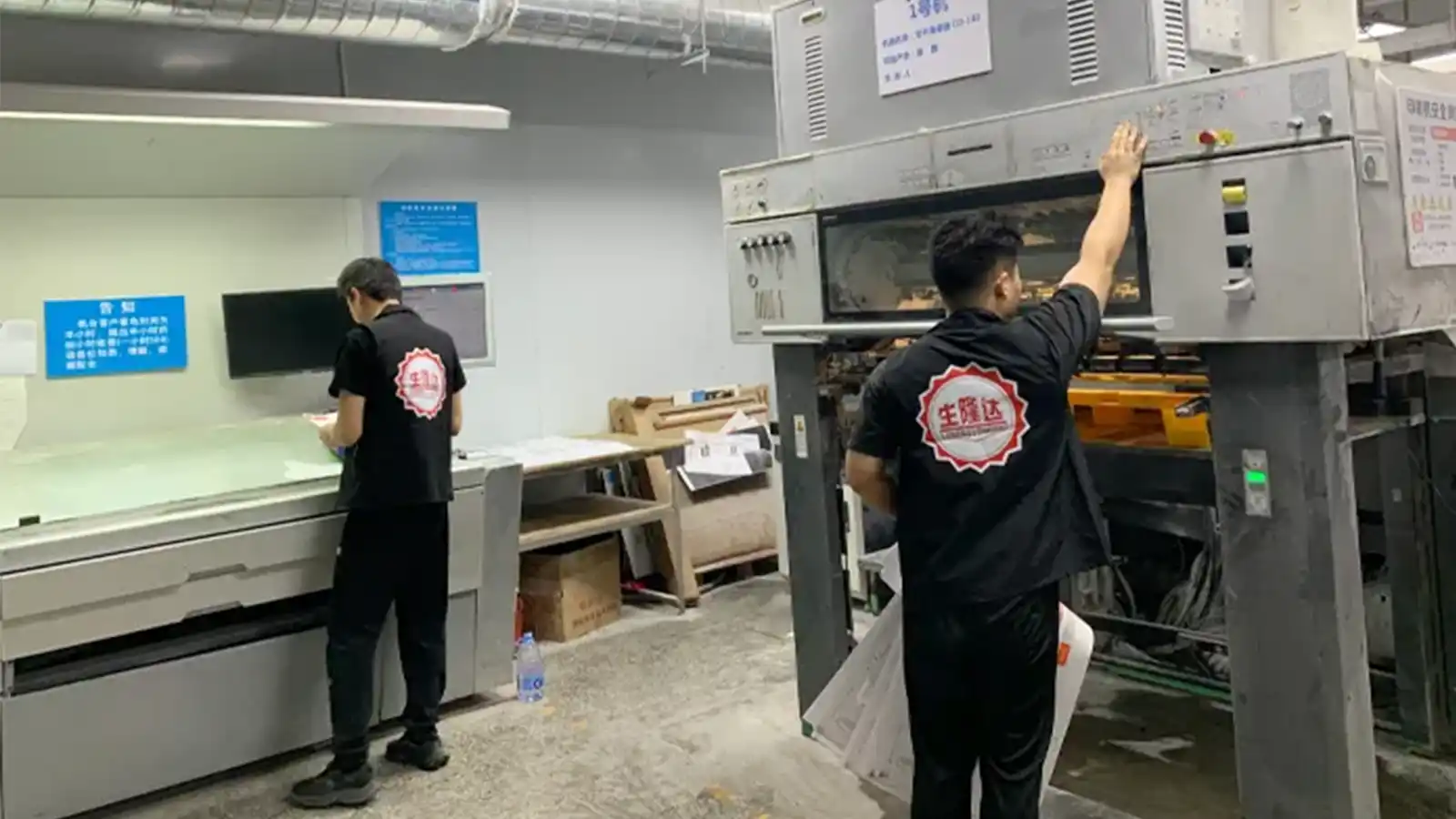
“How much does one custom chocolate box cost?”
It is one of the first questions buyers ask. However, custom chocolate boxes do not have a reliable standard price per piece.
A reference photo may show the general appearance, but it does not confirm the finished size, board thickness, insert construction, printing method, surface finish, order quantity or packing method. Any price given before these details are confirmed can only be a rough estimate.
The final custom chocolate box cost is mainly determined by three factors:
- The box specification
- The order quantity and minimum order quantity
- Assembly, export packing and transportation
Understanding these factors makes it easier to compare quotations, control unnecessary costs and select packaging that suits both your product and your market.
1. The Box Specification
The box specification is the starting point of every quotation.
Structure, size, paper material, insert, printing and finishing determine how much material, machine time, tooling and manual work are required.
1.1 Box Structure
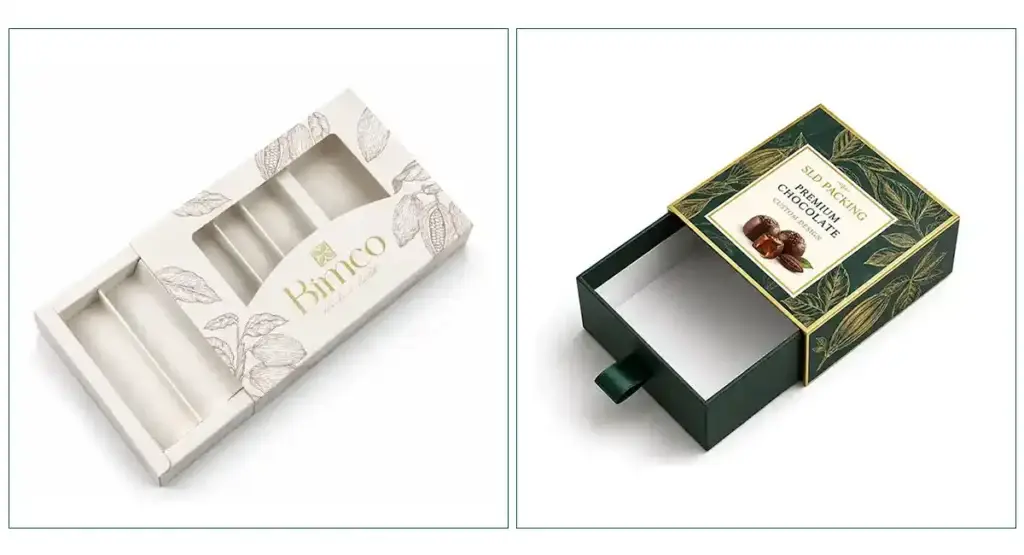
A folding carton and a rigid gift box can have similar dimensions but very different production costs.
Custom chocolate folding boxes are normally made from foldable paperboard. They can be die-cut, glued and supplied flat, making them suitable for chocolate bars, bonbons, pralines, retail packs and seasonal collections.
Custom chocolate gift boxes usually use thick rigid board wrapped with printed or specialty paper. Magnetic closures, drawers, removable lids, ribbons and multi-level structures may require additional materials and manual assembly.
The name of the box style alone is not always enough to determine the price. For example, drawer boxes and lid-and-base boxes can be produced as either folding structures or rigid structures.
A folding version normally costs less to store and transport. A rigid version provides a more substantial presentation but usually requires more material, handwork and shipping space.
1.2 Finished Size
Larger boxes require more paper, larger inserts and more export-carton space.
The box should therefore be designed around the actual chocolate dimensions and arrangement rather than an estimated external appearance.
For an accurate quotation, provide either:
- The required finished box size: length × width × height
- The dimensions of the fully wrapped chocolate
- The number and arrangement of chocolates inside the box
- An existing product or packaging sample
Remember to include any foil wrapper, paper cup, pouch or protective layer when measuring the chocolate.
Unnecessary empty space can increase material and transportation costs without improving product protection.
1.3 Paper Material and Thickness
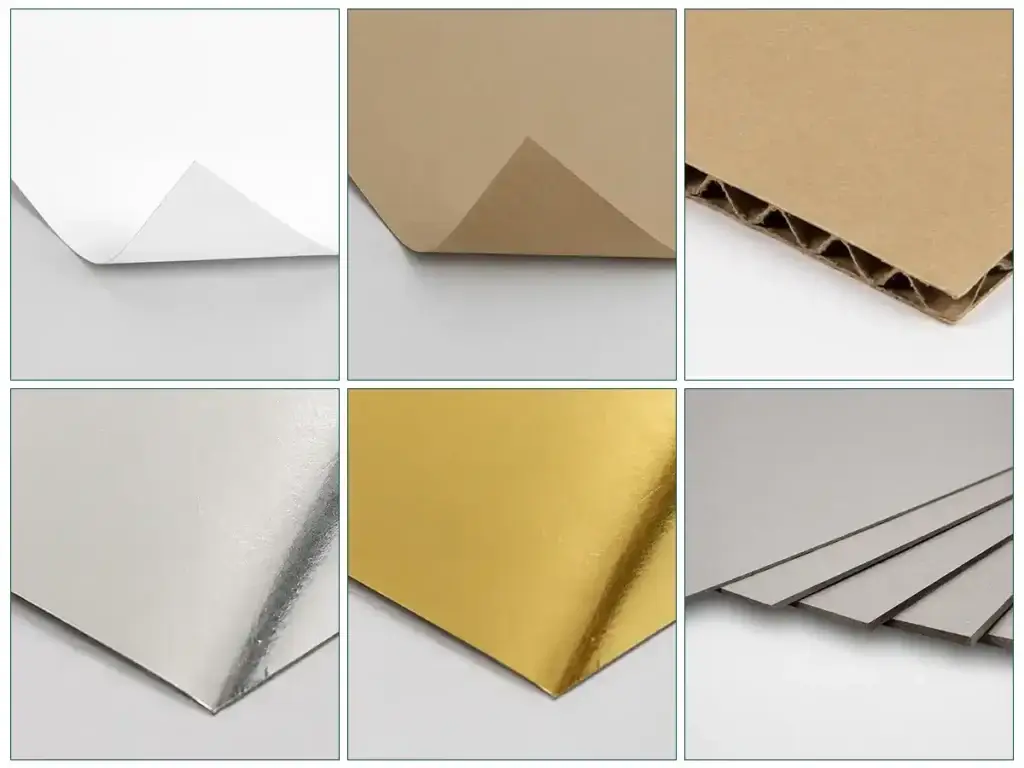
Paperboard, kraft paper, specialty paper and rigid greyboard have different costs and performance characteristics.
Material selection should be based on:
- Box dimensions
- Product weight
- Required stiffness
- Folding structure
- Printing method
- Surface appearance
- Target budget
A heavier material is not automatically better. Using board that is thicker than necessary increases cost, while material that is too light may cause bending, deformation or stacking problems.
The most practical option is normally the material that provides sufficient strength and print performance without being unnecessarily over-specified.
You can review common paperboards, rigid boards, specialty papers and surface finishes on our Chocolate Packaging Capabilities page.
1.4 Inserts and Compartment Design
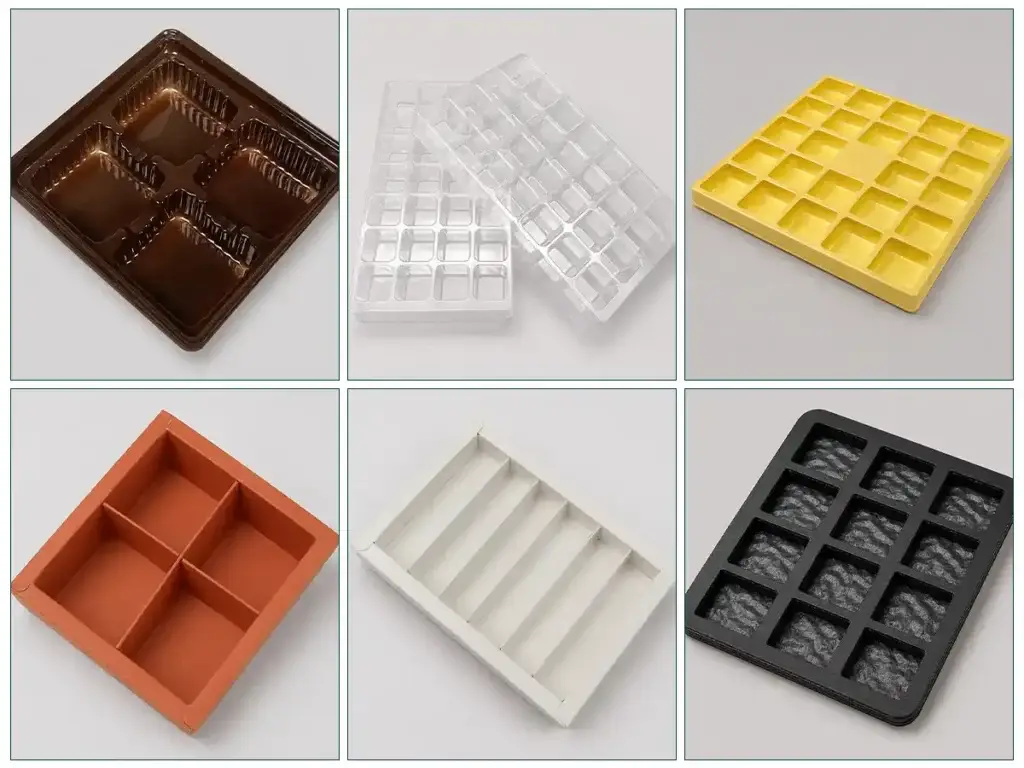
The insert can represent a significant part of the total chocolate box cost.
Common insert options include:
- Paperboard dividers
- Folded paper trays
- PET or blister trays
- Molded pulp trays
- EVA inserts
- Multi-level compartment structures
A simple paper divider normally costs less than a custom-formed plastic tray or a complicated multi-layer insert.
The number of cavities, cavity dimensions, tray depth, material, color and required fit can all affect tooling and production costs.
It is also important to tell the manufacturer whether the chocolates are individually wrapped or will directly contact the insert. Direct-contact applications may require different paper, ink, adhesive, coating or supporting documentation.
1.5 Printing Colors: Use CMYK Where Practical
For most custom chocolate boxes, CMYK printing is the most practical and cost-efficient option.
CMYK can reproduce photographs, illustrations, gradients, backgrounds and most standard packaging colors without requiring a separately mixed ink for every color.
Pantone spot colors are more commonly used when:
- A brand logo must remain consistent across different orders
- A specific corporate color must be controlled closely
- The design includes a color that CMYK cannot reproduce satisfactorily
- Metallic, fluorescent or other special inks are required
When an exact Pantone match is not essential, the manufacturer can usually adjust the CMYK values to create a visually similar color.
This can reduce printing costs because each additional Pantone color normally requires separate ink mixing, color adjustment and press preparation. Using several Pantone colors may therefore increase setup costs even when the printed area is relatively small.
However, a CMYK approximation will not always match a Pantone color exactly. Paper color, paper texture and lamination can also affect the final appearance.
A practical approach for many chocolate packaging projects is:
Use CMYK for the main artwork and reserve Pantone colors for important logos or brand elements.
If exact brand color consistency is important, confirm the Pantone number and approve a physical printed sample or press proof before bulk production.
1.6 Lamination: Choose According to Actual Use
Lamination protects the printed surface and changes the appearance and feel of the box.
The main options include:
- Matte lamination for a clean, understated, low-reflection surface
- Gloss lamination for stronger color contrast and a shiny appearance
- Soft-touch lamination for a velvety, premium tactile effect
- Anti-scratch lamination for improved resistance to visible scratches and handling marks
Standard matte or gloss lamination is suitable for most commercial chocolate boxes.
Soft-touch lamination is sometimes recommended automatically because it feels more premium. However, it is not necessary for every packaging project. It normally costs more than standard film and, depending on the film quality and surface color, may show fingerprints, rubbing marks or scuffing more clearly.
For boxes with dark colors such as black, navy blue, dark green or deep brown, anti-scratch matte lamination may be a more practical upgrade. It helps reduce visible handling marks while maintaining a refined matte appearance.
Soft-touch lamination is more suitable for:
- Luxury chocolate collections
- Limited-edition packaging
- Anniversary or commemorative products
- Premium corporate gifts
- Packaging where the tactile experience is an important part of the brand
For most retail, seasonal and standard gift packaging, regular matte or gloss lamination provides sufficient protection and a professional appearance at a more reasonable cost. SLD Packaging currently lists matte, gloss, soft-touch and anti-scratch lamination among its available finishing directions.
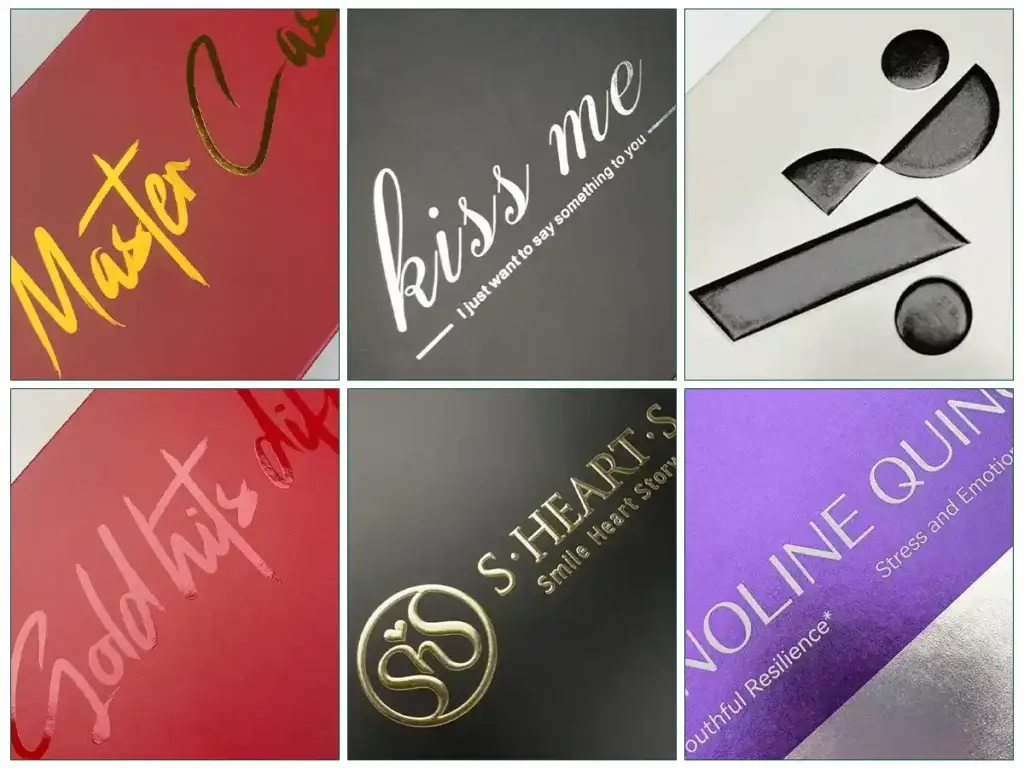
1.7 Decorative Finishes
Additional decorative processes may include:
- Gold, silver or colored foil stamping
- Embossing or debossing
- Spot UV
- Die-cut windows
- Inside printing
- Specialty paper wrapping
Each process may require separate tooling, machine setup, production time and quality inspection.
A premium box does not need every available finish.
In many cases, a clean combination such as CMYK printing, matte lamination and one foil-stamped logo can create a strong premium appearance without unnecessary production cost.
2. Order Quantity and MOQ
Order quantity is usually the most important factor affecting the price per box.
Custom packaging production includes fixed setup costs that remain relatively similar whether the order is small or large.
These may include:
- Artwork and prepress preparation
- Printing setup and color adjustment
- Die-cutting tools
- Foil-stamping or embossing dies
- Material preparation
- Machine testing
- Initial production waste
- Quality-control preparation
These fixed costs must be distributed across the total order quantity.
A simple way to understand the calculation is:
Unit price ≈ variable cost per box + fixed setup costs ÷ order quantity
When the order quantity increases, the fixed setup cost is divided across more boxes. This is why 2,000 boxes of one specification normally have a lower unit price than 500 boxes of the same specification.
What Does MOQ Mean?
MOQ means minimum order quantity.
It is the smallest quantity at which a custom packaging specification can be produced efficiently and consistently.
MOQ may be affected by:
- Box structure
- Material requirements
- Insert construction
- Printing method
- Number of artwork versions
- Special finishing
- Manual assembly
- Special-shaped tooling
The MOQ does not only come from the outer box. A custom tray, specialty paper or complicated finishing process may have its own minimum production requirement.
What Is the MOQ for SLD Custom Chocolate Boxes?
At SLD Packaging, the recommended starting MOQ for many custom folding boxes and chocolate gift boxes is 500 pieces.
For special-shaped or more complex gift boxes, an order of 1,000 pieces or more is normally more practical. Orders of around 2,000 pieces generally provide better unit cost efficiency because printing, setup and machine-starting costs can be distributed across a larger production run.
The final MOQ still depends on the box structure, insert, material and finishing requirements.
MOQ May Apply to Each Size or Design
Buyers should confirm whether the MOQ applies to the total order or to each individual size and artwork version.
For example, these two orders may not have the same unit cost:
- 2,000 boxes using one size and one artwork
- Four different artworks with 500 boxes per design
Each artwork version may require separate printing preparation, color adjustment, material planning or finishing setup.
When requesting a quotation, clearly state:
- Total order quantity
- Quantity for each box size
- Quantity for each artwork or flavor
- Whether all versions use the same structure and material
This helps the manufacturer calculate the production arrangement correctly.
A Lower Unit Price Does Not Always Mean a Lower Total Cost
A larger order normally reduces the price per box, but it also increases:
- Total purchasing cost
- Storage requirements
- Inventory risk
- The risk of outdated artwork
- Cash tied up in packaging stock
For a new chocolate product, a smaller first order may be more sensible even when the unit price is higher.
For an established product with stable demand, a larger production run may provide better overall value.
The right order quantity should balance unit price with expected sales, storage space, cash flow, design life and reorder time.
3. Assembly, Export Packing and Transportation
The factory price of the box is not always the complete packaging cost.
Assembly, export packing, storage and international transportation should also be considered, especially when comparing folding cartons with rigid gift boxes.
Flat-Packed Folding Boxes
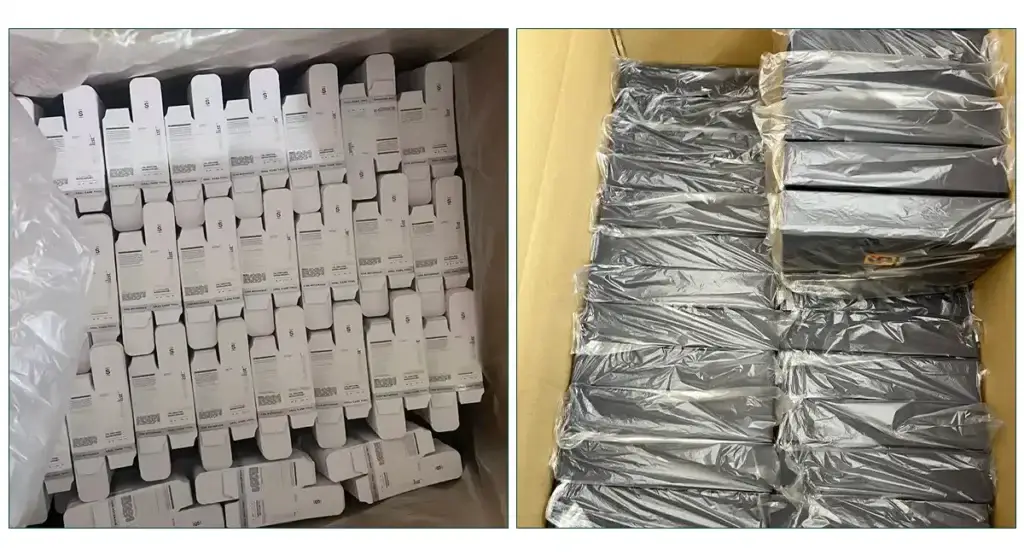
Most folding cartons can be supplied flat.
Flat packing can reduce:
- Export-carton volume
- Warehouse space
- International freight volume
- Risk of damage during transportation
The boxes can be folded or opened before chocolates are packed. Some structures can also be supplied pre-glued to make final assembly faster.
For retail quantities and projects with limited storage space, flat-packed folding boxes are often the most practical option. SLD Packaging’s folding-box specifications also identify flat packing as the normal method for reducing carton volume and international freight costs.
Assembled Rigid Gift Boxes
Traditional rigid gift boxes are normally shipped in their finished shape.
Depending on the structure, they may require:
- Manual box forming
- Printed paper wrapping
- Magnet installation
- Ribbon attachment
- Insert placement
- Tissue paper or protective bags
- Corner protection
- Larger export cartons
Rigid boxes occupy more shipping and storage space because they normally cannot be flattened.
This means their total landed cost may be noticeably higher than the factory unit price alone.
A premium rigid box may be justified for luxury collections, corporate gifting and high-value seasonal products. For standard retail ranges, a folding structure may provide a better balance between presentation and logistics.
Consider a Foldable Gift-Style Structure
Some packaging structures can provide a gift-box appearance while still being shipped flat.
Examples include foldable lid-and-base boxes, collapsible drawer boxes and folding magnetic-style structures.
They may require assembly after delivery, but they can reduce storage and freight volume compared with traditional rigid boxes.
This can be a practical compromise when the project needs a premium appearance but cannot support the logistics cost of fully assembled rigid packaging.
Confirm Who Will Assemble the Boxes
The quotation should clarify whether the boxes will be:
- Supplied completely flat
- Pre-glued but flat-packed
- Partially assembled
- Fully assembled with inserts installed
Factory assembly adds labor and packing volume. Buyer-side assembly reduces freight volume but requires time, staff and workspace after delivery.
The cheapest factory option is not always the cheapest operational option. The correct choice depends on your packing process.
What Affects Shipping Cost?
International freight is influenced by:
- Destination country and postal code
- Number and dimensions of export cartons
- Total weight and shipping volume
- Air, sea, rail or courier delivery
- Pallet requirements
- Delivery deadline
- Selected trade and delivery terms
When comparing quotations, confirm whether the price includes:
- The boxes only
- Inserts and accessories
- Individual protective packing
- Export cartons
- Pallets
- International freight
- Import duties or local delivery
This avoids comparing one supplier’s factory price with another supplier’s delivered price.
What Information Is Needed for an Accurate Quote?
Providing complete information helps the manufacturer prepare a useful quotation without repeated questions.
1. Preferred Box Style
Send a reference photo, drawing or product-page link showing the general structure you prefer.
A reference image is useful for identifying the style, but the quotation will still be based on the confirmed production specification.
2. Box or Chocolate Size
Provide the required finished box dimensions or the dimensions of the fully wrapped chocolate.
For chocolate assortments, include the number of chocolates and the preferred arrangement.
3. Quantity for Each Version
State the quantity required for each size, flavor, artwork or seasonal design.
Do not provide only the combined total when the order contains several different designs.
4. Insert Requirements
Confirm:
- Number of chocolates
- Chocolate dimensions
- Required cavity depth
- Preferred arrangement
- Wrapped or unwrapped product
- Preferred insert material, when known
5. Printing and Finishing
Describe the intended printing and surface effects, including:
- CMYK printing
- Pantone colors
- Foil stamping
- Embossing
- Spot UV
- Lamination
- Windows
- Inside printing
6. Product Positioning
Explain whether the packaging is intended for:
- Everyday retail
- Seasonal gifting
- Corporate gifts
- E-commerce
- Limited editions
- Luxury chocolate collections
This allows the manufacturer to recommend an appropriate specification instead of automatically choosing the cheapest or most expensive option.
7. Delivery Information
Provide the destination country, postal code and required delivery date when you need a freight estimate.
These are also the main details requested through SLD Packaging’s current quotation form.
How to Reduce Chocolate Box Cost Without Making It Look Cheap
Reducing cost does not always mean reducing quality. In many cases, it means removing specifications that do not add enough practical or visual value.
Choose the Structure Around the Sales Channel
Use folding cartons for retail volume, compact storage and cost-controlled projects.
Use rigid boxes when the premium presentation supports a higher product value or a more important gifting occasion.
Keep the Box Size Efficient
Design the box and insert around the actual chocolate dimensions.
Unnecessary empty space increases paper consumption, insert size, export-carton volume and freight cost.
Use CMYK for Most of the Artwork
Use CMYK for illustrations, photographs, backgrounds and standard packaging colors.
Reserve Pantone spot colors for important logos, strict brand colors or shades that cannot be reproduced satisfactorily with CMYK.
Reducing unnecessary Pantone colors can lower ink-mixing and printing setup costs.
Select a Practical Lamination
Standard matte or gloss lamination is sufficient for most chocolate packaging.
Use soft-touch lamination when the tactile experience is important enough to justify the additional cost.
For dark-colored boxes, consider anti-scratch lamination when surface durability is more important than a soft-touch effect.
Use One Strong Decorative Detail
A carefully positioned foil-stamped, embossed or spot-UV logo can provide more visual impact than applying several finishes across the entire box.
One controlled finishing detail is normally easier to produce consistently and more economical than multiple decorative processes.
Standardize Packaging Across Product Variations
When possible, use one box size and structure for several flavors or seasonal variations.
Different products can be identified with sleeves, printed cards or custom chocolate stickers and labels.
This may reduce the need to manufacture a completely different box for every small product variation.
Order According to Real Demand
Do not increase the order quantity only to obtain the lowest unit price.
Compare the saving per box with storage cost, cash-flow requirements and the risk of unused packaging.
The most economical order is the quantity that supports realistic sales and repeat-order planning.
Frequently Asked Questions
Can I Get an Exact Chocolate Box Price from a Photo?
No. A reference photo can help identify the general box style, but an exact quotation also requires the size, material, insert, printing, finishing, quantity and delivery requirements.
Any price given from a photo alone should be treated as an estimate.
Is 500 Pieces Always the Minimum Order Quantity?
No. Five hundred pieces is the standard starting MOQ for many SLD custom folding boxes and gift boxes.
Complex structures, specialty materials, custom inserts or special-shaped boxes may require a higher quantity.
Why Does a Sample Cost More Than One Bulk Box?
A sample is produced as an individual item. It requires separate material preparation, printing, machine setup or manual work without the efficiency of mass production.
The sample price should not be used as the expected bulk unit price.
Does Pantone Printing Increase the Price?
It can.
Each additional Pantone spot color normally requires separate ink mixing, adjustment and color control. For most standard designs, using CMYK for the main artwork and one Pantone color for an important logo is more economical than using several spot colors.
Is Soft-Touch Lamination Necessary for Premium Packaging?
Not always.
Soft-touch lamination creates a velvety feel, but it costs more and may show fingerprints or handling marks on some surfaces.
Standard matte lamination can still provide a clean premium appearance. For dark packaging, anti-scratch matte film may be a more practical upgrade.
Which Costs Less: A Folding Box or a Rigid Gift Box?
A folding carton normally costs less because it uses lighter material, can be produced efficiently and can usually be shipped flat.
A rigid gift box requires thicker board, paper wrapping and more manual assembly, but it provides a stronger and more substantial presentation.
Does the Insert Affect the MOQ?
Yes.
A simple paper divider may be suitable for a smaller production run, while a custom-formed tray, molded insert or complicated multi-level structure may require separate tooling and a higher minimum quantity.
Request an Accurate Custom Chocolate Box Quote
There is no single standard price for every custom chocolate box.
The final cost depends on the box structure, dimensions, material, insert, printing, finishing, quantity, assembly method, export packing and destination.
To receive a practical quotation, send us:
- Your preferred box style
- Box or chocolate dimensions
- Quantity for each design
- Insert requirements
- Printing and finishing details
- Delivery country and postal code
SLD Packaging can then compare suitable structures and materials and help you balance product protection, brand presentation, production cost and transportation.